April 1, 2026
Insulating your home is a significant investment that can affect both comfort and energy usage. Before hiring insulation services, it's important to understand key factors that influence your decision. This includes knowing the types of insulation available, how installation works, and what to expect throughout the process.
This article outlines essential considerations, including insulation options, cost factors, contractor selection, installation expectations, and long-term benefits. With the right information, homeowners can approach insulation services with greater clarity and confidence.
1. Insulation Impacts Efficiency, Comfort, and Compliance
Improve Energy Efficiency
Insulation plays a key role in improving a home's energy efficiency by reducing the transfer of heat through walls, ceilings, and floors. During colder months, it helps retain warmth, while in warmer seasons, it helps keep indoor spaces cooler. This reduces the workload on heating and cooling systems and supports more consistent energy use.
Enhance Indoor Comfort
A properly insulated home maintains more consistent indoor temperatures, regardless of changing weather conditions. This reduces fluctuations that can make certain areas feel too hot or too cold. As a result, living spaces feel more balanced and comfortable throughout the year.
Reduce Carbon Footprint
Improved insulation contributes to reduced energy consumption, which in turn can lower overall environmental impact. When heating and cooling systems operate more efficiently, less energy is required to maintain indoor conditions. This reduction in energy use supports broader efforts to conserve resources.
Increase Property Value
Homes with effective insulation are often more appealing due to their improved energy performance and comfort. Buyers may consider insulation an important feature when evaluating long-term operating costs and livability. As a result, insulation can play a role in overall property appeal.
Meet Government Regulations
Building codes often include minimum insulation requirements to ensure energy efficiency and safety. These standards vary by location and are designed to support consistent construction practices. Understanding these requirements can help homeowners ensure their property meets current expectations.
2. Insulation Options Vary by Application and Performance
Use Fiberglass Insulation
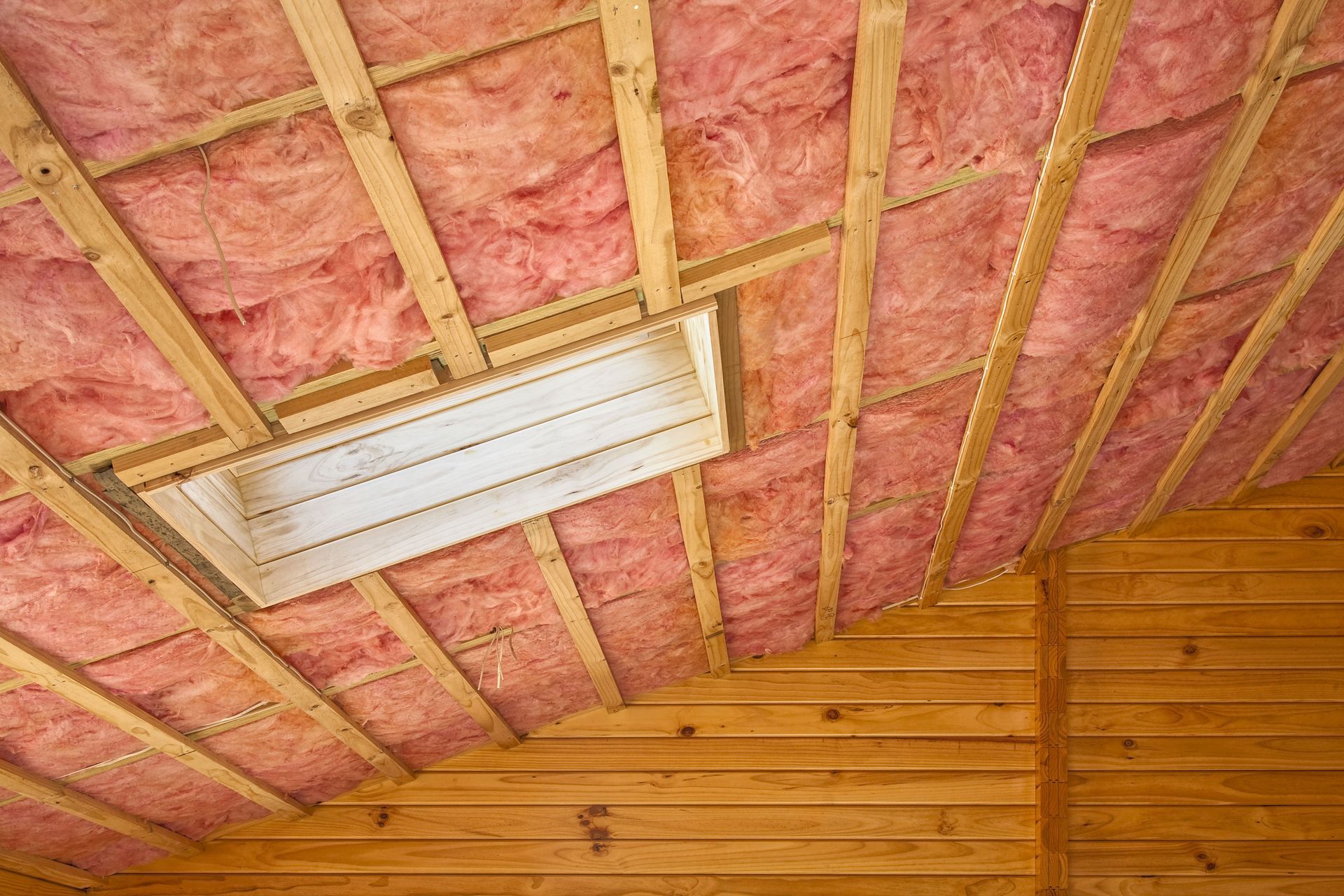
Overall, fiberglass insulation is widely used due to its practicality and availability. It is typically made from fine glass fibers and is commonly installed in the form of rolls. This type of insulation is often used in walls, ceilings, and floors to help reduce heat transfer.
Apply Spray Foam Insulation
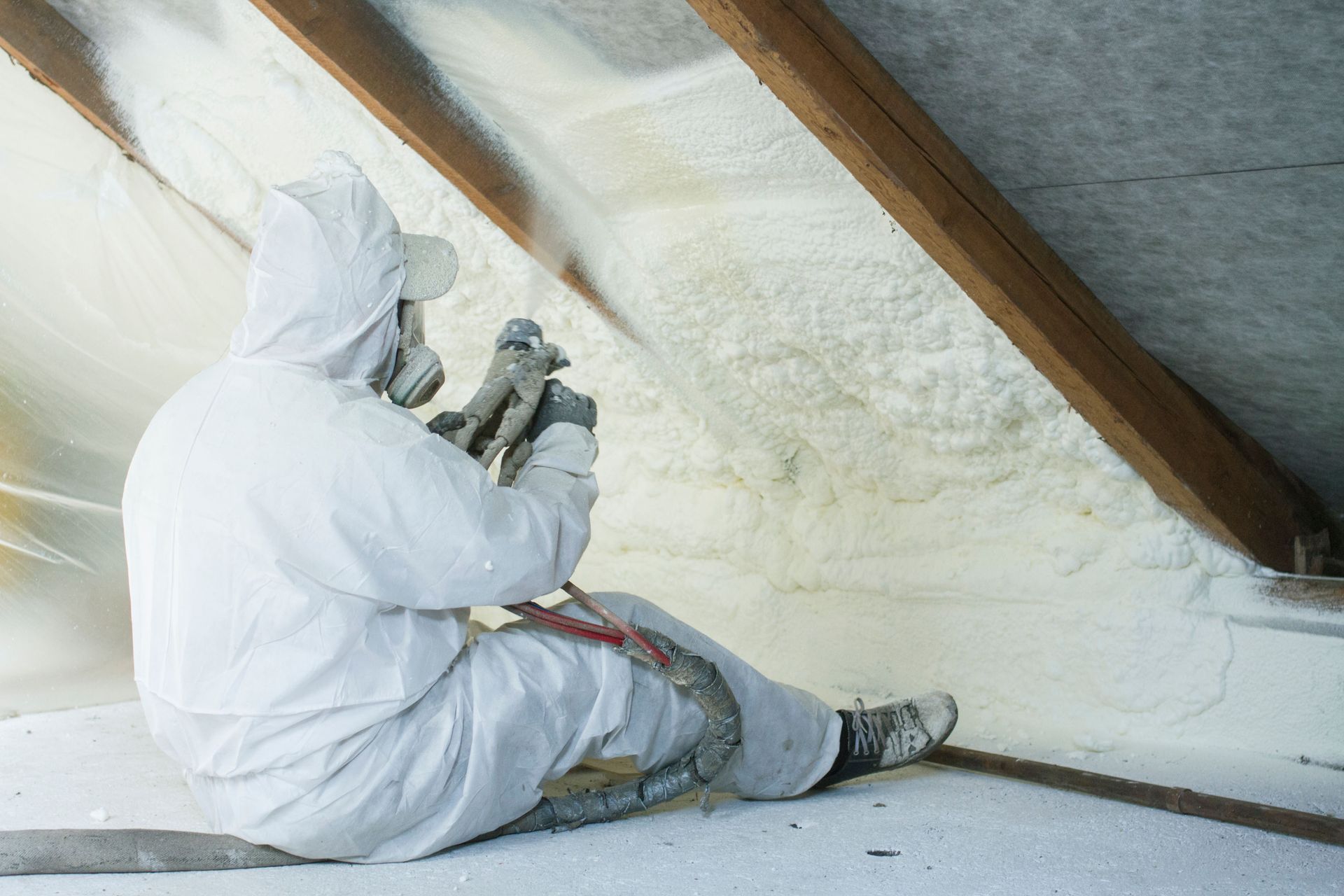
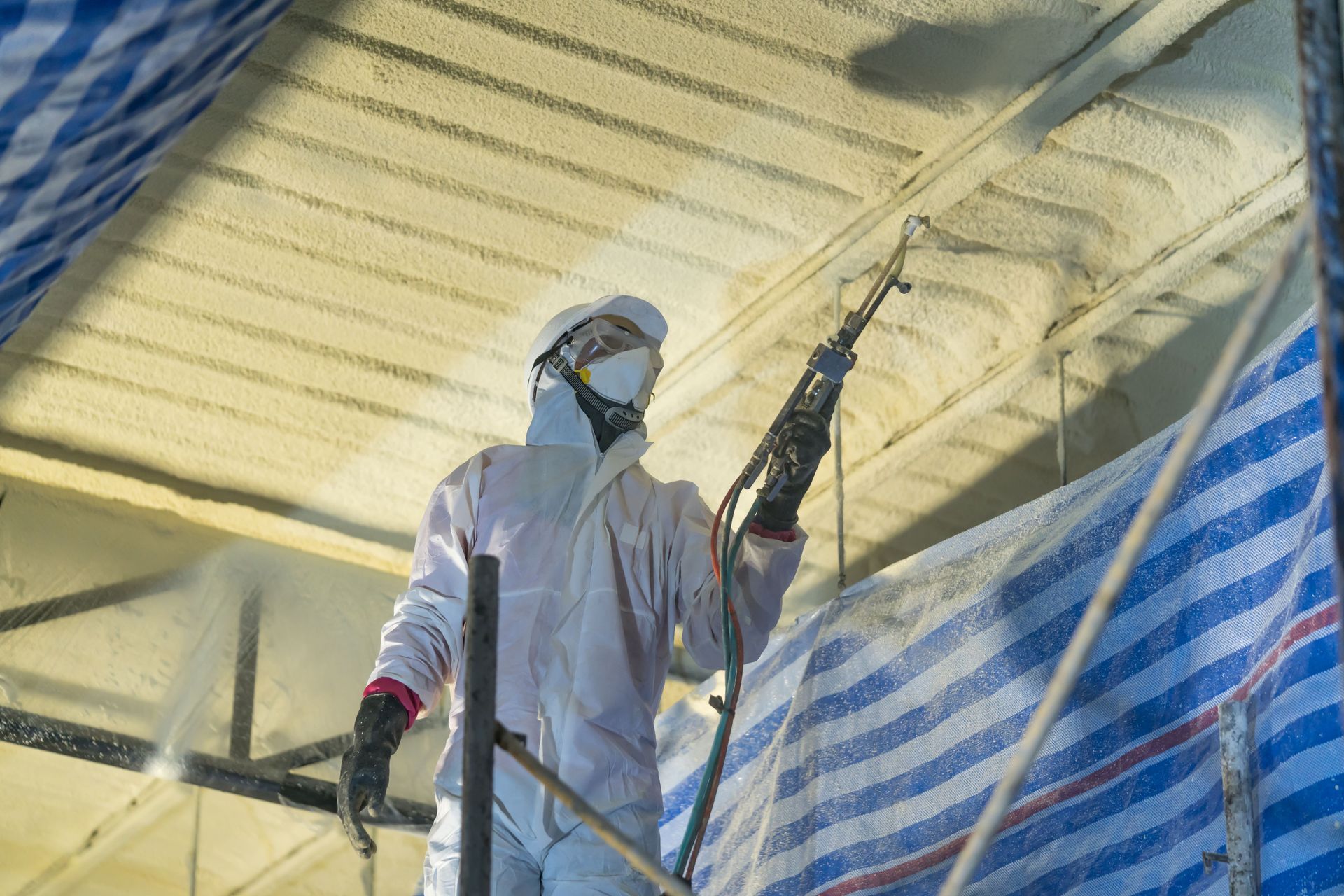
This type of insulation expands upon application, allowing it to fill gaps and create an airtight seal. This makes it effective for areas with irregular shapes or hard-to-reach spaces. Its ability to reduce air leakage can support improved energy efficiency.
Install Cellulose Insulation
This insulation is made from recycled materials and is commonly used as a loose-fill option. It is typically blown into wall cavities or attic spaces, allowing it to conform to existing structures. This helps provide consistent coverage in areas that may be difficult to insulate with rigid materials.
Add Blown-In Insulation
This insulation is designed to fill gaps and voids in areas where traditional materials may not fit easily. It is commonly applied in attics and enclosed wall spaces to improve overall coverage. This method allows insulation to reach areas that might otherwise remain exposed.
Utilize Blanket Insulation
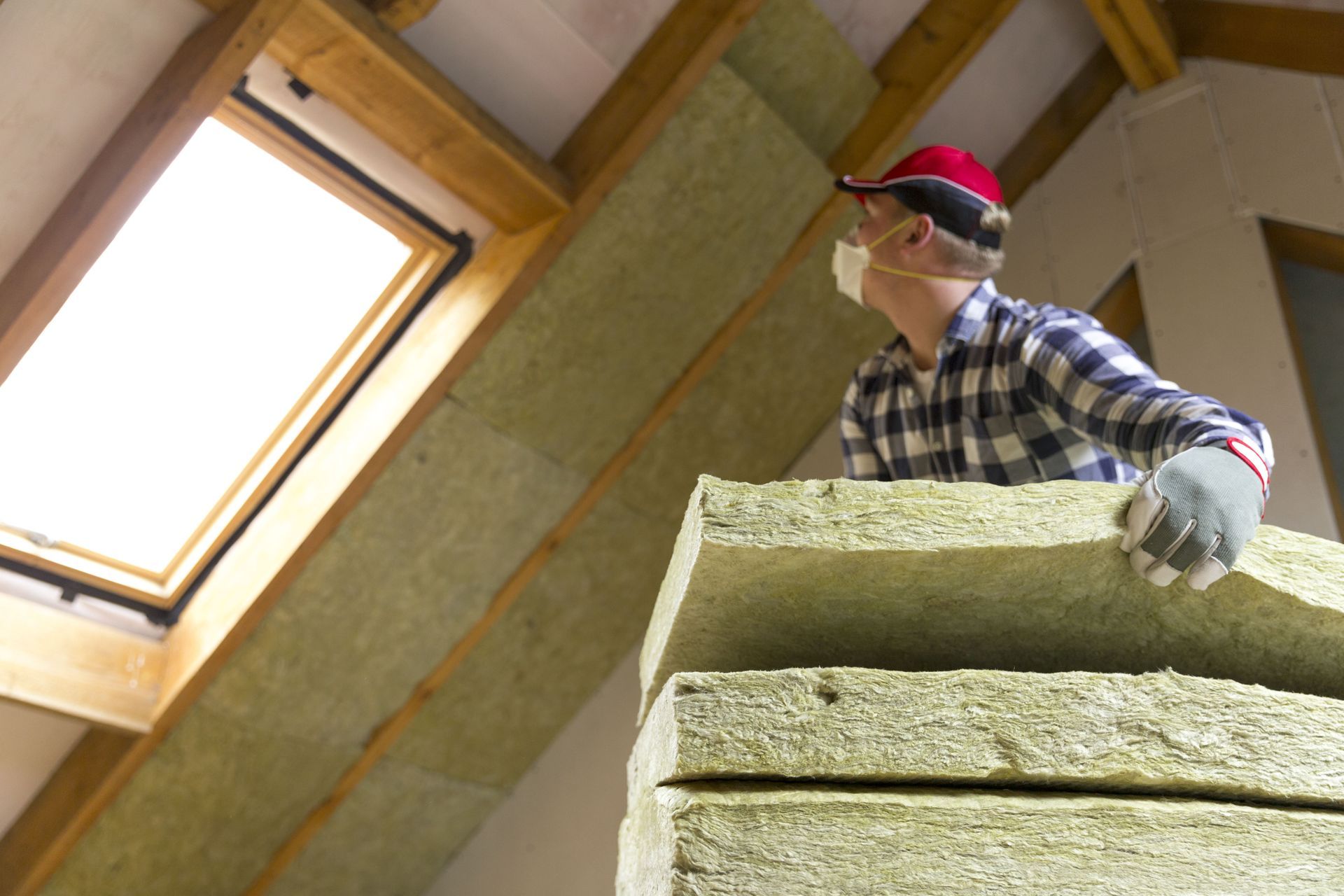
Overall, blanket insulation is typically installed in long rolls, making it suitable for covering large, open areas. It is often used in spaces where continuous coverage is needed without multiple fitted sections. This approach can simplify installation in certain applications.
3. Insulation Costs Depend on Materials and Scope
Understand Initial Installation Costs
The cost of insulation installation varies based on material type, project size, and labor requirements. Some materials are more straightforward to install, while others require specialized application methods. These differences can influence overall project costs.
Evaluate Long-Term Savings
Insulation can contribute to long-term savings by improving energy efficiency and reducing the demand on heating and cooling systems. Over time, these improvements may help offset initial installation costs. This makes insulation a practical consideration for long-term planning.
According to HomeGuide, attic insulation lasts 20 to 100 years, depending on the type and the attic conditions. Evaluating insulation as a long-term investment allows homeowners to balance upfront expenses with potential ongoing benefits. This perspective supports more informed financial planning.
Compare Insulation Type Costs
Different insulation materials come with varying cost considerations. Factors such as installation complexity, coverage area, and material performance all play a role in determining overall pricing. Some options may require more labor-intensive installation processes.
Explore Financial Assistance Options
Some regions offer programs that encourage energy-efficient home improvements, including insulation upgrades. These programs may vary depending on location and eligibility requirements. Understanding these opportunities can support better financial planning.
4. Contractor Selection Influences Overall Results
Review Contractor Experience
Selecting a contractor with relevant experience is an important step in the insulation process. Companies that regularly handle insulation projects are more likely to understand the requirements of different materials and building structures. This helps ensure the work is completed correctly.
Reviewing past work and discussing project scope can help determine whether a contractor is a good fit. This evaluation supports more confident decision-making. It also helps ensure alignment with the insulation services being offered.
Verify Insurance and Licensing
Working with a contractor who meets local requirements for licensing and insurance helps ensure that the project is handled according to established standards. These factors contribute to a more structured and accountable process. Compliance with these requirements supports a smoother experience.
Verifying these details before starting a project can help avoid complications. This step supports a more organized workflow. It is an important consideration when selecting insulation services.
Check References and Reviews
Feedback from previous clients can provide insight into a contractor's work quality and reliability. Reviews may highlight strengths in communication, timeliness, and overall project execution. This information can help set realistic expectations.
5. Installation Involves a Step-by-Step Process
Assess and Plan Installation
Insulation services usually begin with an evaluation of the property's current insulation and overall condition. This helps identify areas that may require attention and determines the most appropriate materials to use. A clear assessment supports accurate planning.
Complete Installation Steps
The installation process varies depending on the insulation type. Some materials are fitted into place, while others are applied using specialized equipment. Each method is designed to achieve consistent coverage.
Estimate Project Timeframes
Project timelines depend on the size and complexity of the installation. Smaller projects may be completed quickly, while larger or more detailed work may take additional time. Planning timelines helps manage expectations.
6. Quality Insulation Supports Long-Term Performance
Improve Energy Efficiency
Effective insulation helps regulate indoor temperatures by reducing heat transfer. This supports more consistent energy usage and reduces the demand on heating and cooling systems. Improved performance can benefit long-term efficiency.
Enhance Indoor Air Quality
Insulation can help limit the movement of outside air into the home, reducing the introduction of dust and other particles. This contributes to a more controlled indoor environment. Cleaner air supports overall comfort.
Increase Home Comfort
Consistent insulation helps eliminate uneven temperatures and drafts, creating a more comfortable living space. This allows for better use of all areas within the home. Comfort improvements are often noticeable over time.
Understanding insulation options, installation methods, and key planning factors allows homeowners to approach projects with greater confidence and clarity. Taking the time to assess materials, consider overall costs, and choose a knowledgeable contractor can lead to more effective and lasting results. To explore solutions that support improved energy performance and indoor comfort, learn more about what JR Insulation Services has to offer.