July 24, 2026
A comfortable home depends on more than a reliable heating and cooling system. The materials inside the walls, ceilings, floors, and attic also play an important role in maintaining consistent indoor temperatures. Insulation helps slow the movement of heat, allowing your home to stay warmer during the winter and cooler during the summer. Without enough insulation, conditioned air can escape while outdoor temperatures place more pressure on your HVAC system. This can lead to uncomfortable rooms, higher energy use, and uneven temperatures throughout the home. Understanding how insulation works can help homeowners recognize potential problems and make more informed decisions about their properties. According to HomeGuide, attic insulation may last anywhere from 20 to 100 years, depending on the material used and the conditions inside the attic. That wide range shows why the condition and type of insulation matter when evaluating whether an attic needs attention. With the help of qualified insulation contractors, homeowners can assess their current insulation and determine whether improvements are needed.
Understanding How Home Insulation Works
Insulation works by slowing the transfer of heat between different areas of a home. During the summer, it helps reduce the amount of outdoor heat entering the living space. During the winter, it helps keep heated indoor air from escaping through the building envelope. The effectiveness of insulation depends on several factors, including its material, thickness, installation quality, and location. Insulation is commonly installed in attics, exterior walls, crawl spaces, basements, and other areas where heat transfer can occur. When these areas are properly insulated, the HVAC system may not need to work as hard to maintain the desired indoor temperature. Insulation can also contribute to a more consistent indoor environment by reducing temperature fluctuations between rooms. Homeowners who are unsure whether their property has sufficient coverage can ask insulation contractors to evaluate the existing materials and identify areas that may need improvement.
Recognizing Common Insulation Materials
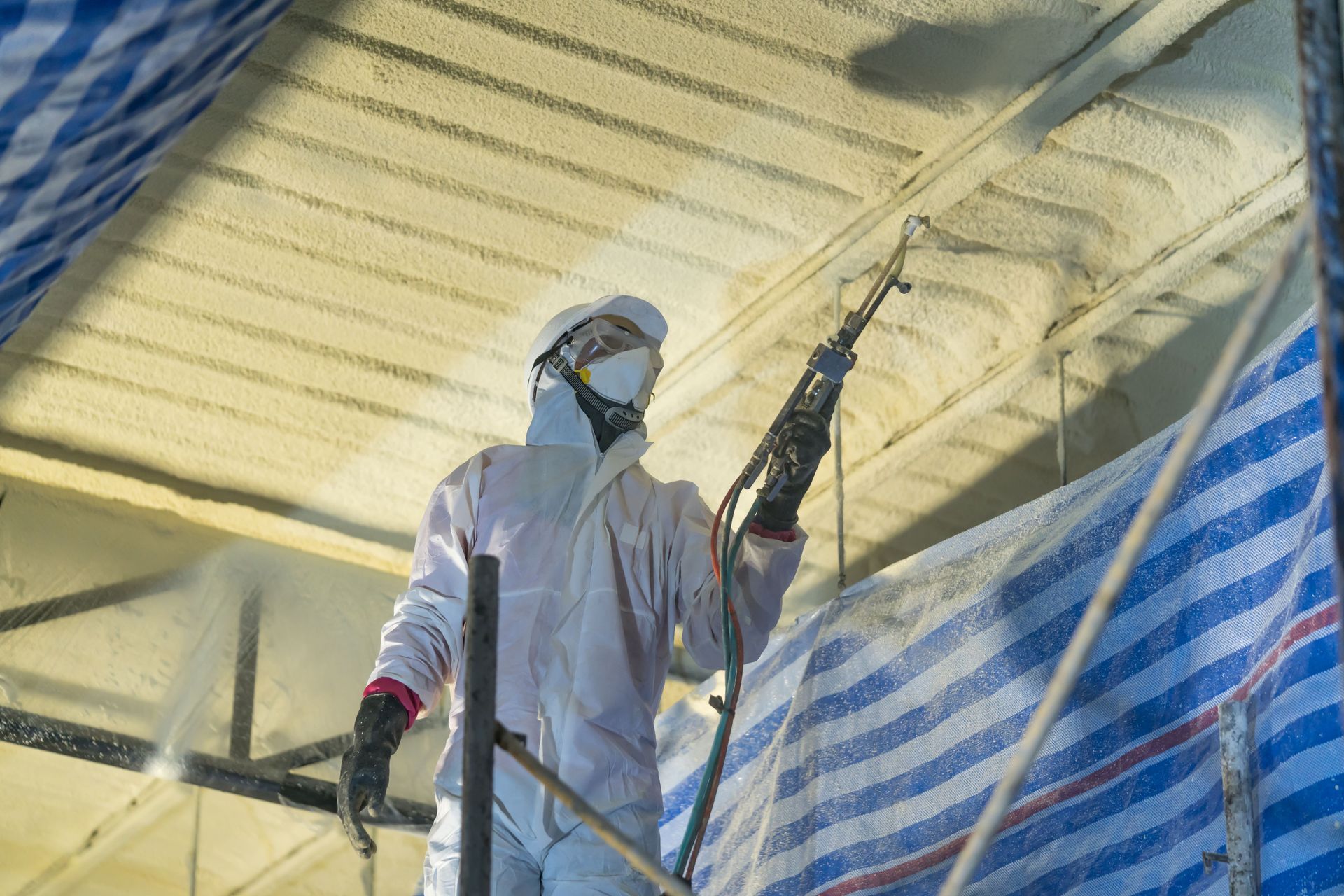
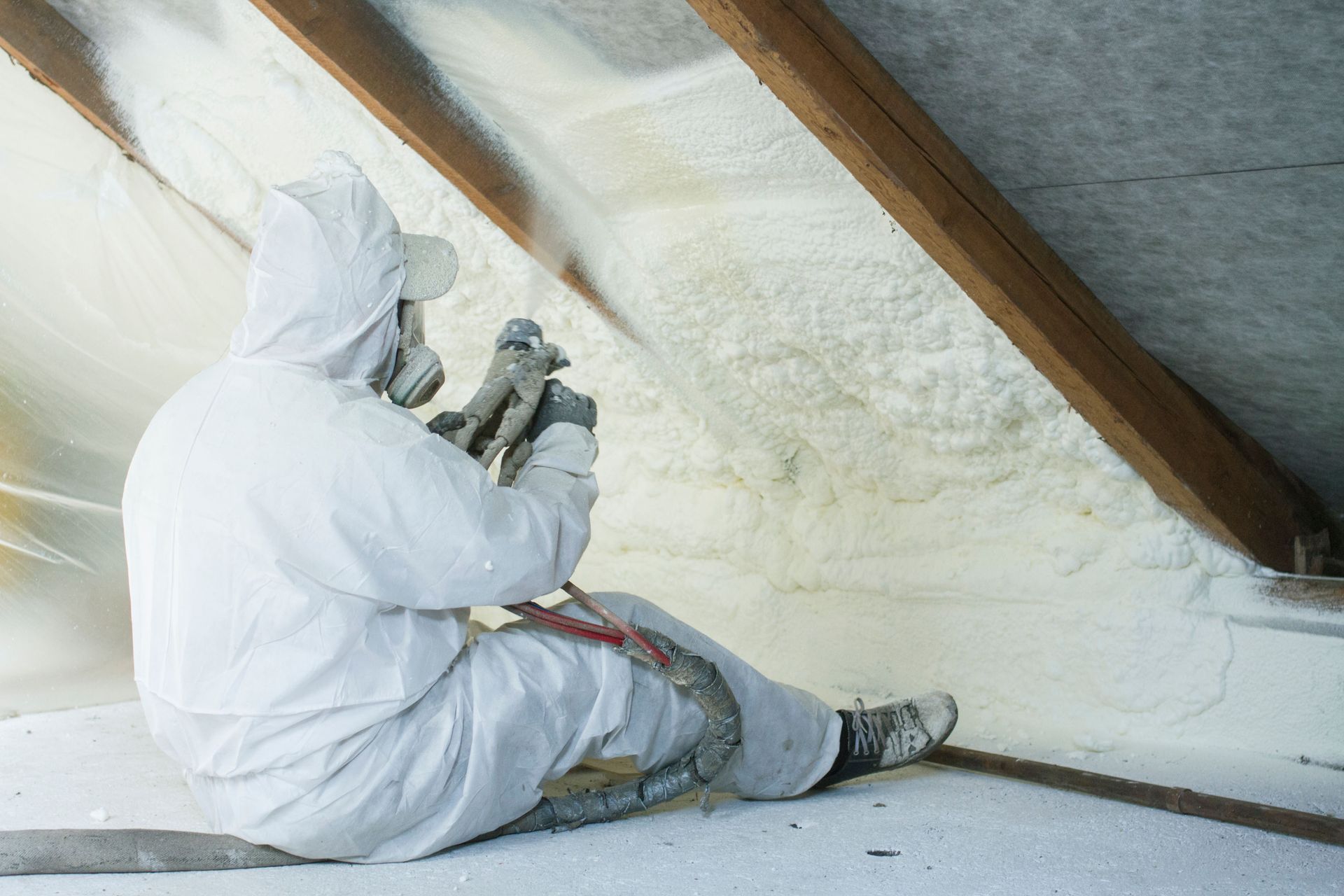
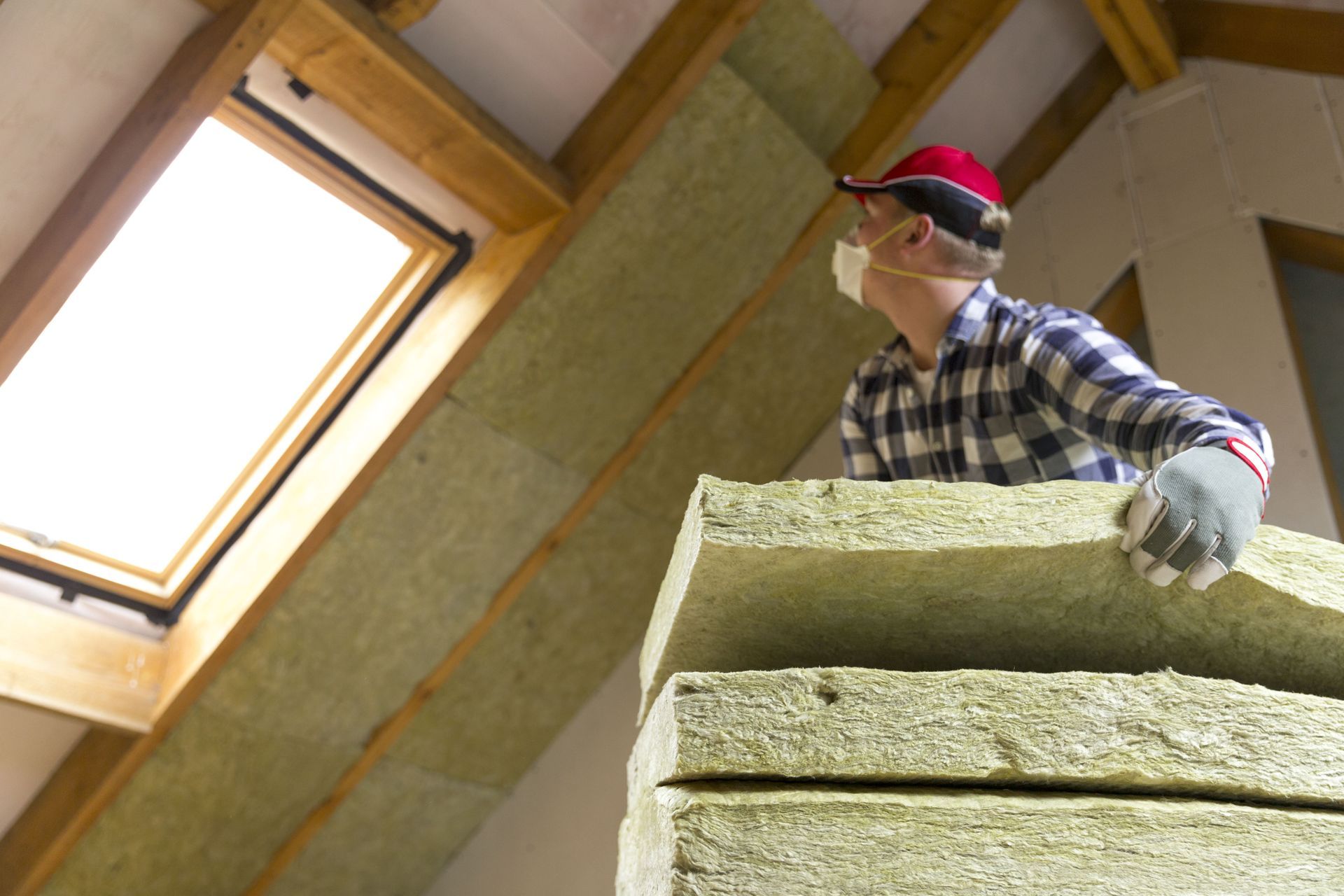
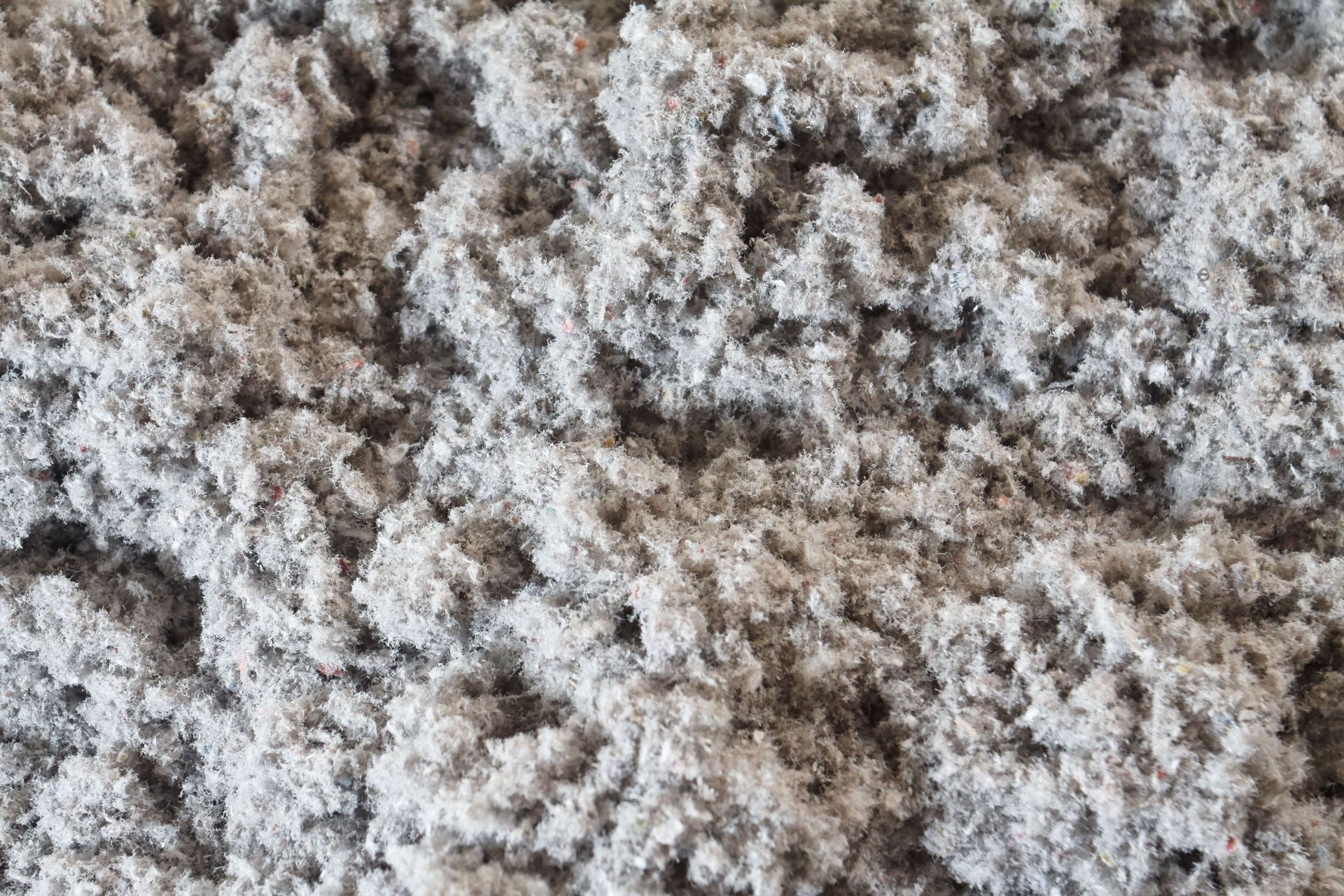
Homeowners may encounter several different types of insulation when evaluating an existing property or planning an improvement project. Fiberglass insulation is commonly found in rolls, batts and loose-fill applications. Cellulose insulation is made from processed paper fibers and is often installed as loose-fill material in attics and wall cavities. Spray foam insulation expands after application and can create an air-sealing barrier in certain areas. Rigid foam boards are another option that can provide insulation in walls, foundations, and other applications. Each material has different characteristics that may make it appropriate for specific areas of a home. The right choice depends on factors such as the location, existing construction, moisture conditions, and desired performance. Insulation contractors can explain the differences between available materials and help homeowners select an option that fits the property's needs.
Identifying Signs of Insufficient Insulation
A home may provide several clues when its insulation is no longer performing effectively. Rooms that are consistently colder or warmer than others may indicate gaps or insufficient coverage in the building envelope. Homeowners may also notice that their HVAC system runs for long periods while struggling to maintain the selected temperature. Drafty areas near ceilings, walls, floors, or attic access points can also suggest that air is moving through areas that should be better sealed. Unusually high heating or cooling costs may provide another reason to investigate the home's insulation. In some cases, visible insulation may appear compressed, damaged, wet, or unevenly distributed. Older homes may also contain materials that no longer provide the level of coverage expected from modern insulation systems. A professional evaluation by insulation contractors can help determine whether these warning signs are connected to insulation problems or another issue with the home's construction.
Improving Attic Insulation Performance
The attic is one of the most important areas to consider when evaluating a home's insulation. Heat naturally moves upward, which means inadequate attic insulation can allow conditioned air to escape and outdoor temperatures to affect the living space below. Insulation may also become displaced, compressed, contaminated, or damaged over time. Moisture problems can reduce the effectiveness of some materials and may contribute to other attic concerns. Before adding new insulation, it is important to understand the condition of the existing material and identify any underlying problems. Air leaks around fixtures, wiring, pipes, and attic access points may also need to be addressed as part of the overall project. Improving attic insulation can help create a stronger barrier between the living space and the outdoor environment. Insulation contractors can inspect the attic and recommend an approach based on the existing material, available space, ventilation, and condition of the area.
Protecting Walls and Living Spaces
Attic insulation receives significant attention, but the walls of a home also play an important role in controlling heat transfer. Insufficient insulation inside exterior walls can make certain rooms feel uncomfortable during extreme weather. Wall insulation can also help reduce the movement of outdoor temperatures into the living space. In some homes, gaps around windows, doors, electrical outlets, and other penetrations may contribute to unwanted air movement. Addressing these areas may improve the overall performance of the home's building envelope. The appropriate insulation solution depends on how the walls were constructed and whether the project involves new construction or an existing structure. Homeowners should avoid assuming that adding insulation in one area will solve every comfort problem throughout the property. Insulation contractors can evaluate the home's construction and help determine which areas may benefit from additional coverage or air sealing.
Managing Moisture and Ventilation
Moisture is an important consideration when evaluating the condition and performance of insulation. Water intrusion, condensation, and excessive humidity can affect insulation materials and create problems within the structure. An attic may also require appropriate ventilation to help manage heat and moisture buildup. Adding insulation without addressing an existing moisture problem can potentially conceal the source of the issue. Homeowners should look for signs such as damp materials, water stains, musty odors, or visible mold before beginning an insulation project. Proper ventilation and moisture management can help support the long-term performance of insulation. These factors are especially important in areas where temperature changes cause condensation to form. Insulation contractors can help identify conditions that may affect an insulation project and explain whether additional work should be completed before new material is installed.
Understanding Insulation Maintenance Needs
Insulation is not generally considered a material that homeowners need to replace on a fixed schedule. Its service life can vary significantly depending on the material, installation quality, exposure to moisture, pest activity, and overall attic conditions. According to HomeGuide, attic insulation can remain effective for approximately 20 to 100 years, depending on the type of insulation and the environment where it is installed. This means some insulation may remain in place for decades while other materials may require attention sooner because of damage or poor conditions. Regular visual inspections can help homeowners identify obvious signs of deterioration or disturbance. Homeowners should also investigate insulation after major water damage, pest problems, roof leaks, or significant renovations. Even when insulation appears old, its condition should be evaluated before deciding whether complete replacement is necessary. Insulation contractors can help determine whether existing materials should be maintained, supplemented, repaired, or removed and replaced.
Preparing for an Insulation Project
A successful insulation project begins with a careful evaluation of the home and its current conditions. Homeowners should consider which areas feel uncomfortable and whether energy use has changed over time. It is also important to identify potential air leaks, moisture concerns, ventilation issues, and damage before selecting an insulation material. The project may involve adding insulation to an existing area or removing old material before installing a new system. Access can also affect how the work is completed, particularly in tight attics, enclosed walls, or crawl spaces. Professional preparation helps ensure that the selected material is appropriate for the location and the property's construction. Homeowners should also understand what preparation may be required before the installation begins. Working with experienced insulation contractors can help create a more organized process from the initial evaluation through the completion of the project.
Proper installation and attention to moisture and ventilation can also help support the long-term performance of the project. If your home has uneven temperatures, drafty areas, or insulation that may be damaged or outdated, JR Insulation Services can help evaluate your needs. Contact us today to learn how professional insulation solutions can help improve your home's comfort and overall performance.