December 3, 2025
Insulation plays a crucial role in creating comfortable living spaces by regulating temperature, reducing energy consumption, and ultimately lowering utility bills. It is an indispensable component of any home striving for energy efficiency. Insights offered by professional insulation contractors can significantly enhance the effectiveness of your home's insulation strategy, ensuring optimal comfort and energy savings.
1. Understanding the Basics of Home Insulation
A. Importance of Insulation in Temperature Regulation
Insulation acts as a barrier to heat flow, keeping heat within your home during the winter and out of your home in the summer. This temperature regulation is central to maintaining a comfortable indoor environment regardless of the weather outside. Without work done by professional insulation contractors, homes are subject to fluctuating temperatures, which can lead to higher energy usage as heating and cooling systems compensate for these inconsistencies. According to the U.S. Department of Energy, if your attic insulation is less than an equivalent of R-30 (about 10 to 13 inches), you could probably benefit by adding more. Proper insulation not only improves comfort levels but also plays a significant role in energy conservation.
B. Different Types of Insulation Materials
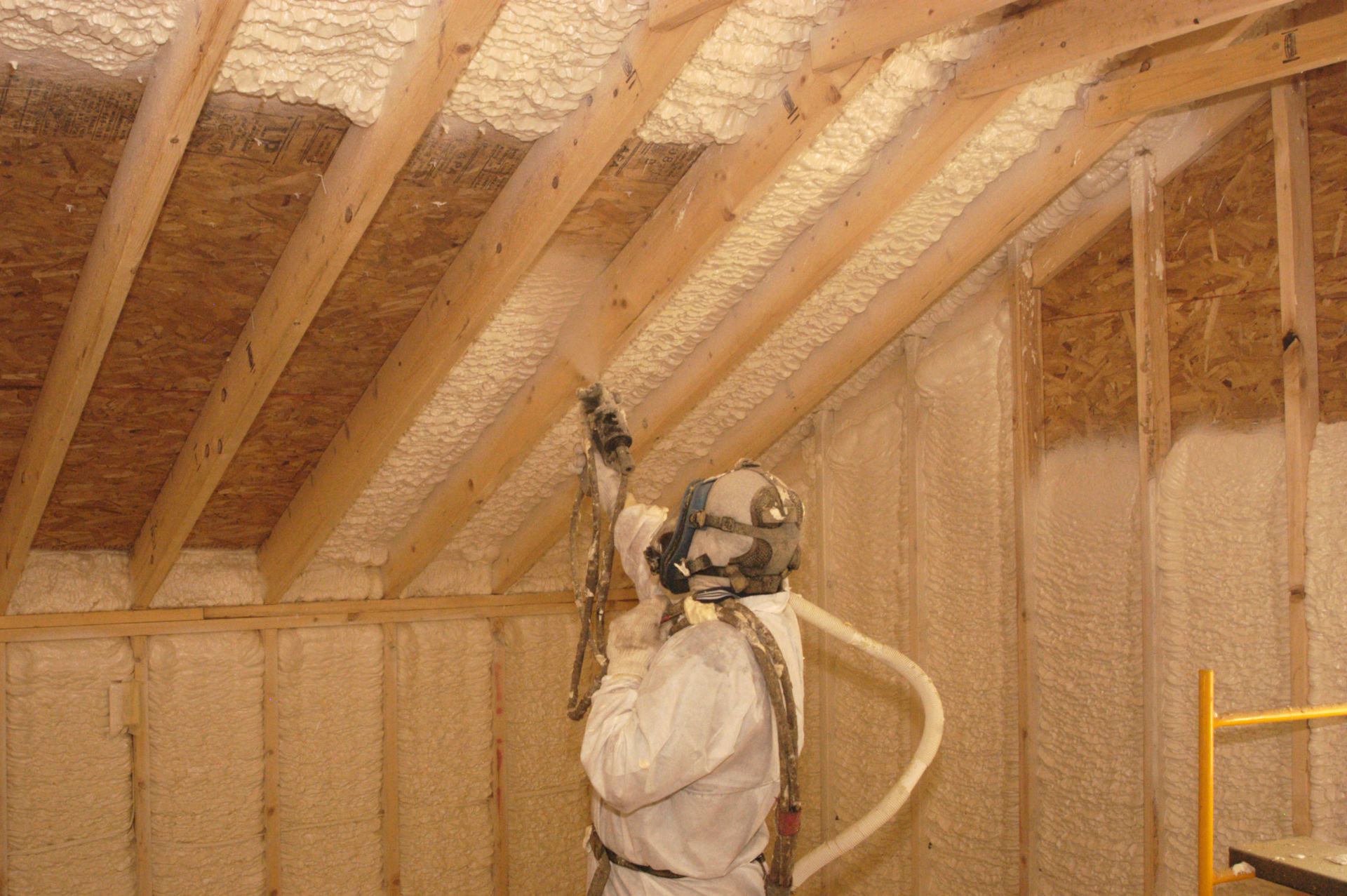
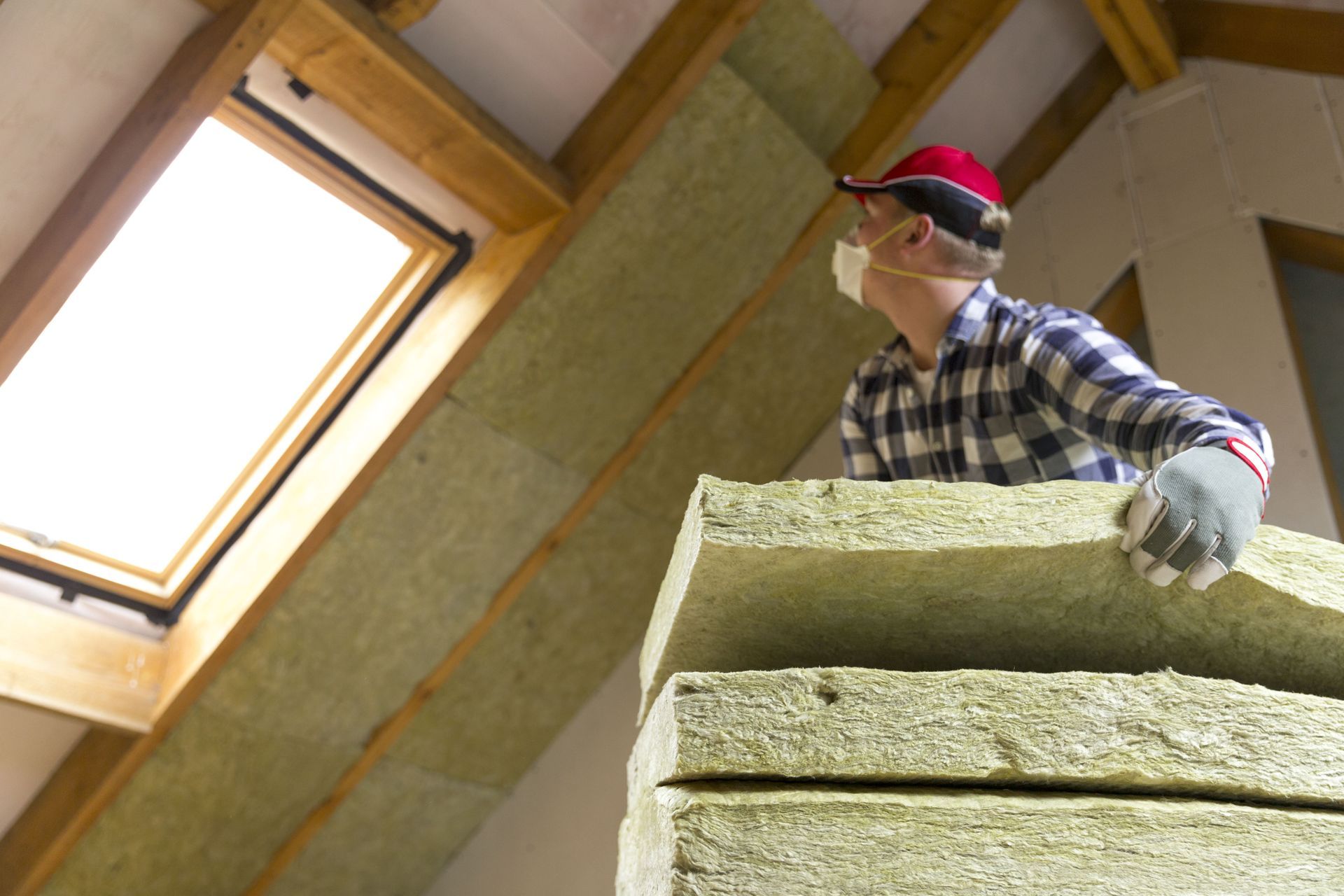
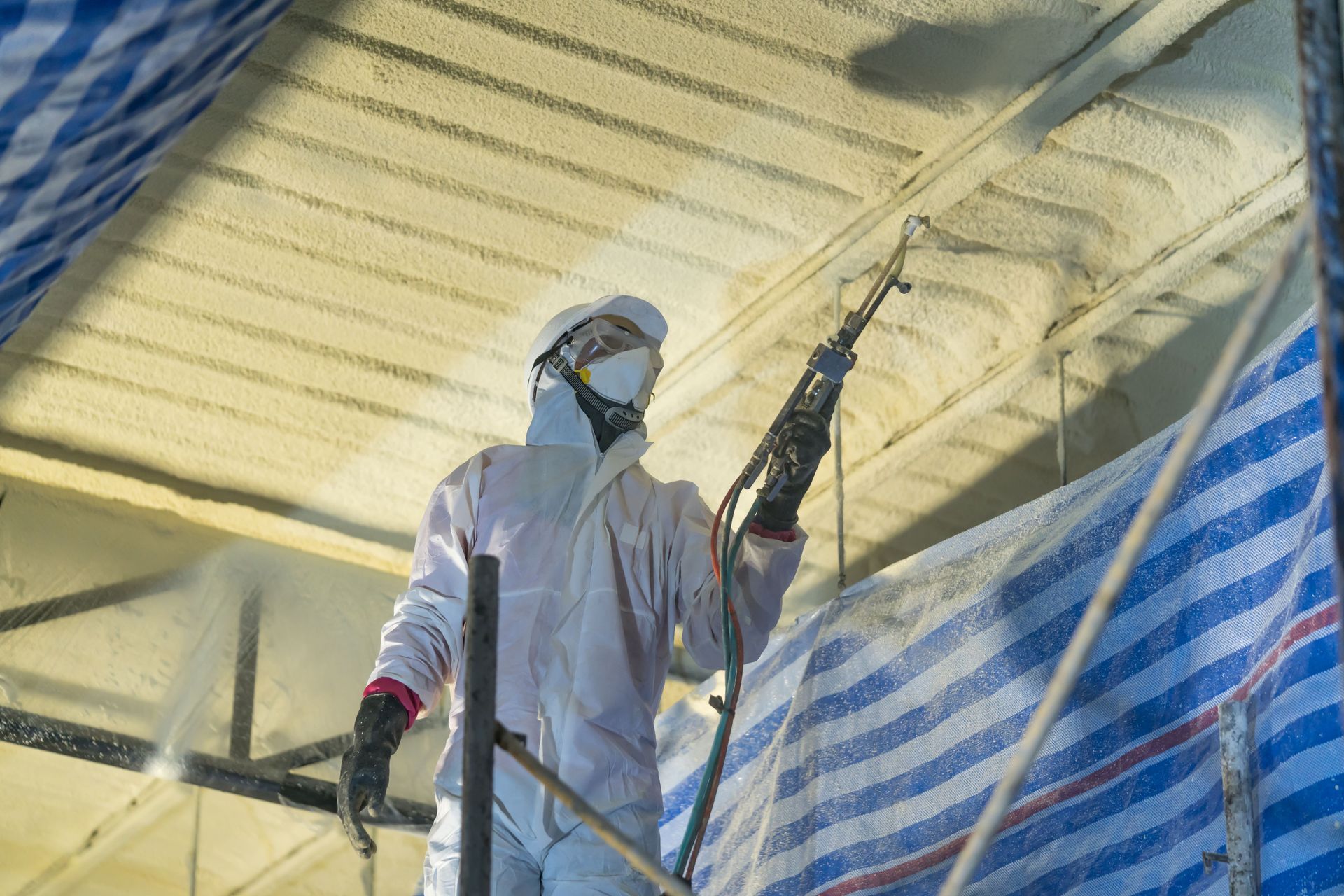
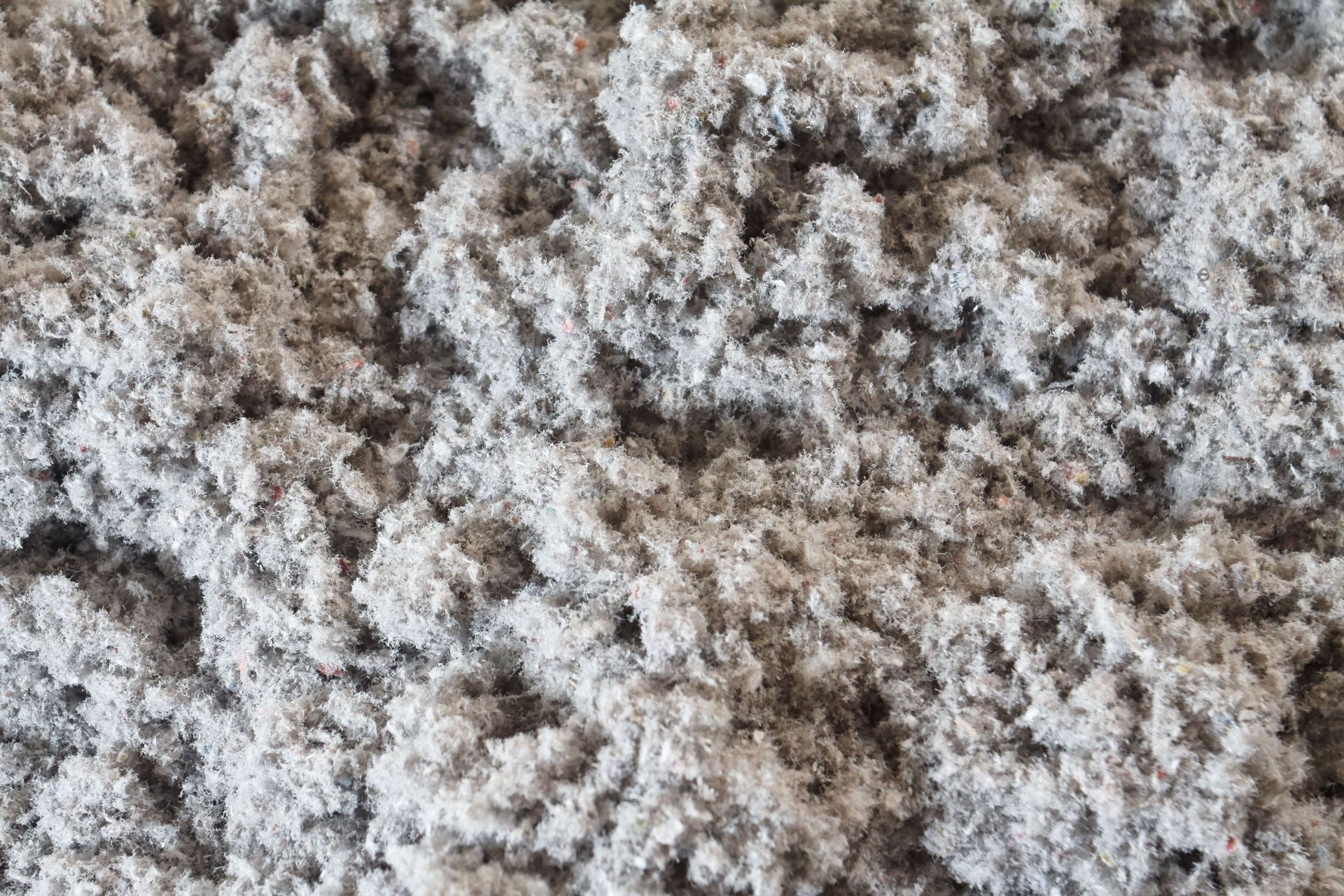
There are several types of insulation materials available, each with unique properties. Fiberglass is a common option known for its effectiveness and cost-efficiency, usually available in batts or rolls. Spray foam insulation expands on application, offering excellent coverage and air sealing capabilities. Cellulose, made from recycled paper products, is an environmentally friendly option. Both rigid foam and reflective barriers provide additional options depending on specific needs such as moisture management and space constraints. Talk to your local insulation contractors to learn which material is best for your home.
C. R-Values and Their Significance
R-Value is a measure of insulation's ability to resist heat flow; the higher the R-Value, the greater the insulating effectiveness. This value is critical in determining the right type and amount of insulation for your home, particularly in different climate zones. Homes in colder climates require insulation with higher R-Values to maintain comfort during frigid temperatures. Conversely, in milder climates, lower R-Values may suffice while still providing significant energy savings. Understanding R-Values is essential when planning for insulation upgrades or new installations.
D. Overview of Common Insulation Techniques
Insulation techniques vary based on the structure and age of the building. Batt and roll insulation is ideal for uniform spaces such as between attic and floor joists. Blown-in insulation works well for filling cavities and hard-to-reach spots in walls and attics. Spray foam insulation, though more costly, provides air-tight seals, making it highly effective in reducing energy loss. Each technique has its advantages and considerations, often depending on the specific area being insulated and the desired outcome. Professional guidance from insulation contractors is recommended when selecting the most appropriate technique for your home.
2. Identifying Areas for Insulation
A. Attic and Roof Insulation
The attic is one of the most important areas for insulation as it can be a major source of energy loss. Properly insulating your attic can prevent heat from escaping during winter and entering during summer. A well-insulated attic can have a noticeable impact on the comfort levels and energy bills of a home. Inadequate insulation in this area, which is often overlooked, can lead to significant inefficiencies. For optimal results, checking for an R-value of at least R-30 is crucial, as recommended by energy experts.
B. Wall Insulation Considerations
Walls are another critical area where insulation can dramatically improve home comfort and energy efficiency. Many homes, especially older ones, lack sufficient wall insulation, leading to substantial energy loss. Insulation here can vary from batt insulation fitting between studs to more comprehensive solutions like blown-in cellulose or spray foam. Wall insulation not only impacts heat retention but also affects noise levels and indoor air quality. Choosing the right type of insulation for walls depends on the existing structure and desired performance outcomes.
C. Floor and Basement Insulation
Floors and basements are often overlooked yet essential areas for insulation. In homes with unheated basements, insulating the floor above can make a significant difference in comfort and energy savings. Basements themselves can benefit from insulation, reducing heat loss and mitigating moisture problems. Moisture-resistant materials are particularly important in basement insulation to prevent issues like mold. Effective floor and basement insulation contribute to an overall balanced and comfortable indoor environment. Get in touch with insulation contractors to learn more about these insulation options.
D. Insulating Doors and Windows
Windows and doors are common sources of drafts and energy inefficiencies in homes. While not conventionally considered areas for insulation, steps can be taken to increase their thermal performance. Adding weatherstripping and caulking can seal gaps and prevent air leaks. For even better insulation, opt for energy-efficient windows which offer additional benefits like UV protection. Proper attention to insulating doors and windows can complement wall and attic insulation efforts, providing a comprehensive energy efficiency strategy.
3. Choosing the Right Insulation Material
A. Comparing Fiberglass vs. Spray Foam
Fiberglass and spray foam are two popular insulation materials, each with distinct advantages. Fiberglass is a cost-effective option and is easy to install, often used in batts or rolls across various areas of a building. Spray foam, while more expensive, expands to fit spaces, offering better coverage and air seal capabilities. Choosing between these materials involves considerations such as budget, application area, and desired R-value. The choice can also depend on personal preferences regarding environmental impact and energy savings.
B. Pros and Cons of Cellulose Insulation
Cellulose insulation, derived from recycled paper products, offers an environmentally friendly option for insulation. It provides effective thermal and sound insulation and is particularly beneficial in hard-to-insulate areas like attics and walls. However, cellulose can hold moisture if not properly treated, posing a risk of mold growth. Another consideration is that it may settle over time, potentially reducing R-value efficacy. Despite these challenges, cellulose is highly regarded for its sustainability and cost-effectiveness.
C. Evaluating Rigid Foam and Reflective Barriers
Rigid foam insulation boards offer high thermal resistance and are used to insulate various building sections, from walls to foundations. Reflective barriers, often comprising aluminum foil backing, are suited for climates where solar radiation is a major concern. While rigid foam provides strong moisture resistance and structural reinforcement, reflective barriers are best for reducing cooling costs. These materials are among the choices for situations requiring specific moisture or heat reflective properties. Pairing these insulations with conventional options like fiberglass can offer a comprehensive approach to efficiency.
D. Eco-Friendly Insulation Options
Eco-friendly insulation choices such as sheep's wool, denim, or cork provide sustainable alternatives. While these options might be more expensive, they offer comparable thermal qualities with minimal carbon footprints. Sheep's wool, for example, naturally regulates temperature and humidity levels, while cork and denim are derived from recycled content, promoting overall environmental responsibility. Investing in eco-friendly insulation can deliver both comfort and peace of mind from a sustainability perspective. The commitment to these materials supports a broader environmental consciousness within the building industry.
4. DIY vs. Professional Installation
A. Evaluating DIY Insulation Projects
DIY insulation projects can save money and offer a sense of satisfaction. For straightforward applications, such as laying batt insulation in an attic, a DIY approach may be practical. However, it requires an understanding of safety practices, appropriate insulation types, and thorough preparation. The risk of improper installation can offset anticipated savings, making careful assessment essential. Homeowners must weigh their skill levels and project complexity before proceeding with a DIY effort. Hiring professional insulation contractors may be better for your wallet, home, and schedule.
B. Benefits of Hiring Professional Contractors
Professional insulation contractors bring expertise and skill, ensuring optimal installation and performance. They possess an understanding of building codes and regulations, crucial for compliance and safety. Insulation contractors can address complex or inaccessible areas more efficiently than DIY methods, ensuring higher quality results. Additionally, their work is typically backed by warranties or guarantees, offering peace of mind. Engaging professional insulation contractors often translates into greater long-term savings and enhanced comfort.
C. Common Insulation Mistakes to Avoid
Insulation mistakes, whether DIY or professional, can lead to inefficiencies or damage. Common errors include inadequate coverage, leaving gaps or compressing materials, both of which compromise R-value and performance. Misjudging an area's moisture needs can lead to mold or material degradation, presenting long-term risks. Neglecting to seal air leaks and forecasts insulation's role as solely thermal protection, undermining overall efficiency. Awareness and avoidance of these issues are crucial to effective insulation strategies.
D. How to Choose a Reliable Contractor
Choosing reliable insulation contractors involves thorough research and vetting. It is important to request references, verifying past projects for satisfaction and any potential issues. Ensuring credentials, including licenses and insurance, is essential for safety and accountability. Comparing estimates enables homeowners to align service and cost expectations, clarifying project scope and value. Effective communication further establishes trust and guarantees a contractor's alignment with homeowner goals.
5. Maximizing Energy Efficiency with Insulation
A. Complementing Insulation with Energy-Efficient Windows
Pairing excellent insulation with energy-efficient windows heightens a home's overall efficiency. Quality windows reduce drafts and complement the insulation's role in maintaining stable indoor conditions. Components like double-paned glass and low-E coatings significantly reduce heat transfer and energy loss. When united, these features contribute to lower utility costs and improved occupant comfort. By tackling multiple aspects of a building envelope, homeowners can ensure comprehensive energy efficiency.
B. Importance of Ventilation in Insulation Systems
Ventilation may seem contrary but is crucial for an effective insulation system. Proper ventilation prevents moisture buildup, reducing mold or mildew, protecting both materials and indoor air quality. While a tightly insulated home is beneficial for energy savings, inadequate ventilation can trap pollutants and moisture. Achieving balance through planned ventilation supports thermal comfort and healthful living environments. Integrating ventilation with insulation strategies ensures both efficiency and indoor air quality are prioritized.
C. How Insulation Improves HVAC System Performance
Insulation plays a critical role in enhancing the performance of HVAC systems. Effective insulation limits heat transfer, reducing the heating or cooling load on HVAC systems, which improves longevity and efficiency. A well-insulated home requires less frequent HVAC operation, translating to energy savings and reduced maintenance costs. Aligning insulation with HVAC upgrades can lead to synergistic improvements, offering significant financial and comfort benefits. Understanding and exploiting this dynamic furthers a home's energy efficiency agenda.
D. Seasonal Maintenance Tips for Insulation
Regular maintenance ensures insulation continues performing optimally throughout its lifespan. Homeowners should periodically inspect for moisture, pest infiltration, or physical degradation. Seasonal adjustments, such as addressing air leaks or re-evaluating attic insulation levels, keep encompassing systems in peak condition. Cleaning or clearing vents and applying new seals enhances thermal protection and utility bill management. Consistent attention safeguards insulation investments, promoting ongoing comfort and efficiency.
6. Future Trends in Home Insulation
A. Innovations in Insulation Technology
Advancements in insulation technology continue to enhance materials' performance capabilities. Innovations focus on improving thermal efficiency while reducing environmental impact. For example, advancements in aerogel and foam technology offer greater insulation performance with less material. Continuous development ensures even better R-values, moisture resistance, and versatile applicability. Staying informed on new technologies empowers homeowners to adopt cutting-edge solutions, enhancing energy efficiency.
B. Predictions for Smart Insulation Systems
Smart insulation systems represent a promising future trend where technology integrates with traditional practices. Envisioned products can adjust in real time to environmental variables, optimizing thermal performance adaptively. Incorporation with smart home ecosystems fosters enhanced energy monitoring and efficiency optimization. Projections suggest these systems will provide significant energy savings and unprecedented control over indoor environments. Interest in such advancements continues to drive research, meeting evolving consumer demands.
C. Increasing Focus on Sustainable Materials
The move toward sustainable materials is gaining momentum within the insulation industry. Consumers increasingly prioritize green credentials, seeking eco-friendly alternatives without sacrificing effectiveness. Sustainable options, including recycled materials and naturals, align environmental responsibility with comfort and performance. Continued emphasis on sustainability influences product offerings and market dynamics significantly. This trend promotes responsible usage and production, supporting broader sustainability goals.
D. Integration with Renewable Energy Sources
Integrating insulation with renewable energy sources represents a holistic approach to efficiency. Effective insulation complements solar panels and wind energy systems, ensuring interior temperatures remain stable with minimal energy input. Synergizing these technologies maximizes environmental and financial benefits, promoting energy independence. Forward-thinking homeowners increasingly view insulation as part of a unified strategy encompassing energy production and conservation. This approach supports both reduced consumption and sustainability aspirations.
The guidance from insulation contractors highlights the transformative impact of insulation on comfort and energy efficiency in the home. With a strategic approach, incorporating the right materials, techniques, and professional insights, homeowners can significantly enhance their spaces. Insulation provides the foundation for reduced energy use and improved home value, creating sustainable living environments. As trends advance, integrating innovations with traditional knowledge continues to enrich insulation practices. Considering expert advice ensures that your home remains both comfortable and energy-efficient well into the future. If you're looking for professional insulation contractors, contact JR Insulation Services today.